Retail Isn’t Competing With E-Commerce Anymore — It’s Competing With Attention
For years, retail’s biggest challenge has been framed as a battle between physical stores and e-commerce. Faster delivery. Better technology. More convenience.
As we move into 2026, that narrative no longer holds.
Retail isn’t losing customers to online shopping. It’s competing for something far more limited: attention.
Today’s consumer is surrounded by constant stimulation. Notifications, content, commitments, and choices are everywhere. Time is scarce. Focus is selective. Every experience whether online or in-person is evaluated through one lens:
Is this worth my attention?
The Outdated Online vs. Offline Debate
Shoppers aren’t deciding where to shop, they’re deciding what deserves their energy. Physical stores now compete with packed schedules, saturated feeds, short attention spans, and a growing desire for meaningful experiences. Retail environments that recognize this shift and design for it will succeed.
Attention Is the New Scarcity
Foot traffic and visibility matter only when they lead to engagement. Attention is intentional, emotional, and selective. Consumers are drawn to experiences that feel clear, purposeful, and human. Spaces that demand attention without offering value are easy to ignore. Those that spark curiosity, connection, or pause are remembered.
What Actually Captures Attention in 2026
Attention isn’t won through volume, it’s earned through intention. Successful retail experiences share four traits:
Clarity: A clear point of view and purpose
Resonance: Emotional connection beyond aesthetics
Ease: Thoughtful design that respects time and flow
Consistency: Alignment between brand story and physical presence
It’s not about doing more. It’s about doing what matters, well.
Designing Retail for Focus, Not Noise
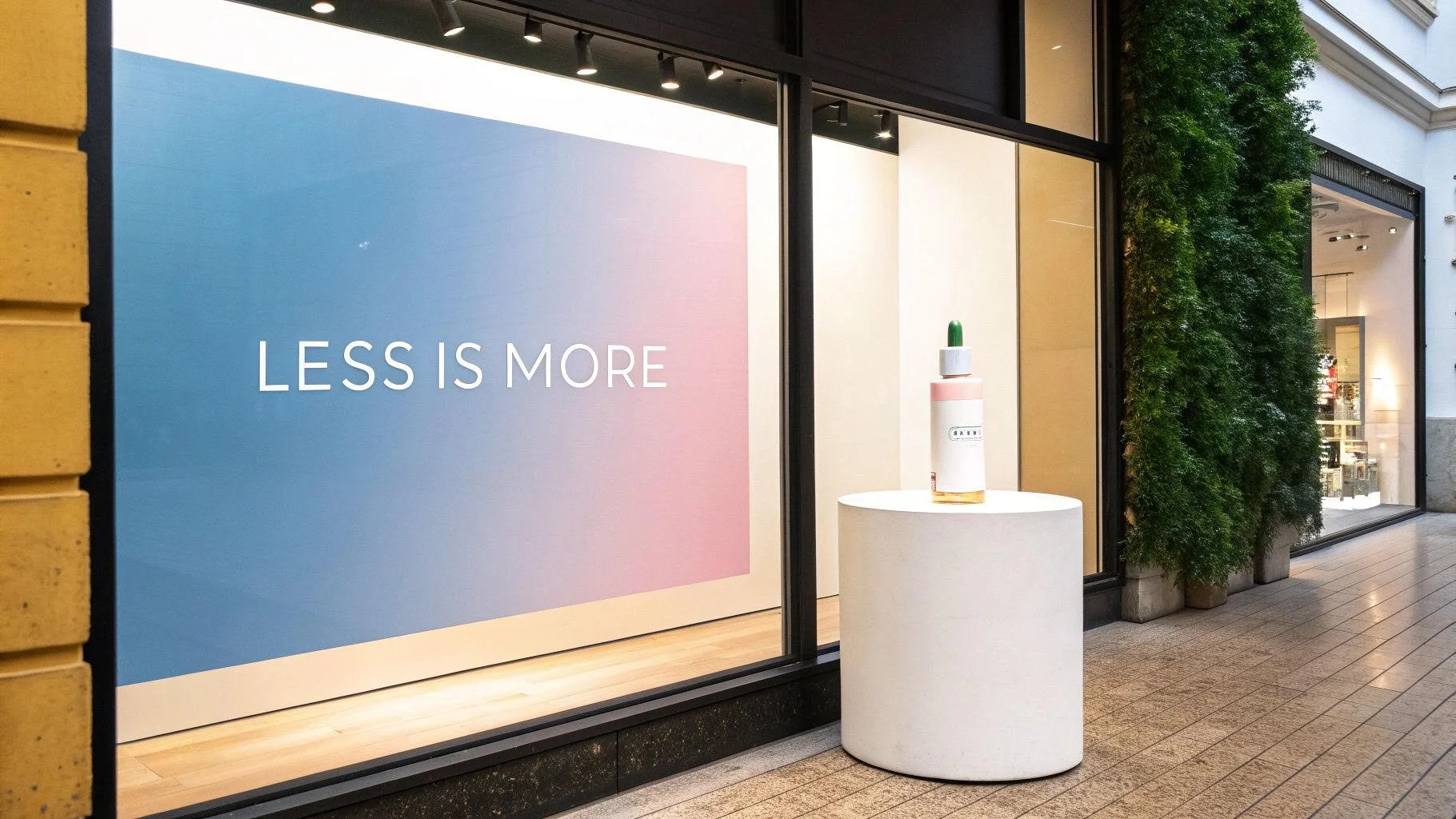
Many retail experiences fail not because of lack of effort, but because they overwhelm. Overdesigned layouts, generic messaging, and constant activations compete for attention, and when everything demands focus, nothing truly earns it. Spaces that confuse activity with intention struggle to engage.
Winning attention doesn’t require louder messaging or bigger builds, it requires restraint, curation, and respect for the consumer. Successful retail environments:
Guide rather than overwhelm
Invite engagement rather than demand it
Create moments of focus within busy spaces
When attention is treated as a privilege, retail becomes meaningful for both brands and consumers.
What This Shift Means for Property Owners
Attention-first retail changes the rules. Success isn’t just occupancy or foot traffic. Properties can underperform if experiences fail to engage. Thriving owners are becoming experience stewards:
Curating tenant mixes that complement, not compete
Prioritizing experience quality over tenant quantity
Designing common areas with intention
Supporting brands that bring clarity, storytelling, and engagement
Attention-driven retail rewards properties that feel cohesive, navigable, and thoughtfully designed—places where consumers want to spend time.
What This Shift Means for Retail Leaders
As attention becomes the true currency, strategy must evolve:
Prioritize experience over excess
Measure engagement, not just traffic
Design with intention and adaptability
Build relevance through clarity, not scale
The most effective strategies in 2026 won’t be the loudest, they’ll be the ones grounded in how people actually move, decide, and connect.
At Blue Butterfly, we partner with retailers and property owners to turn insight into intentional environments that capture attention, build connection, and evolve with the future of retail.